
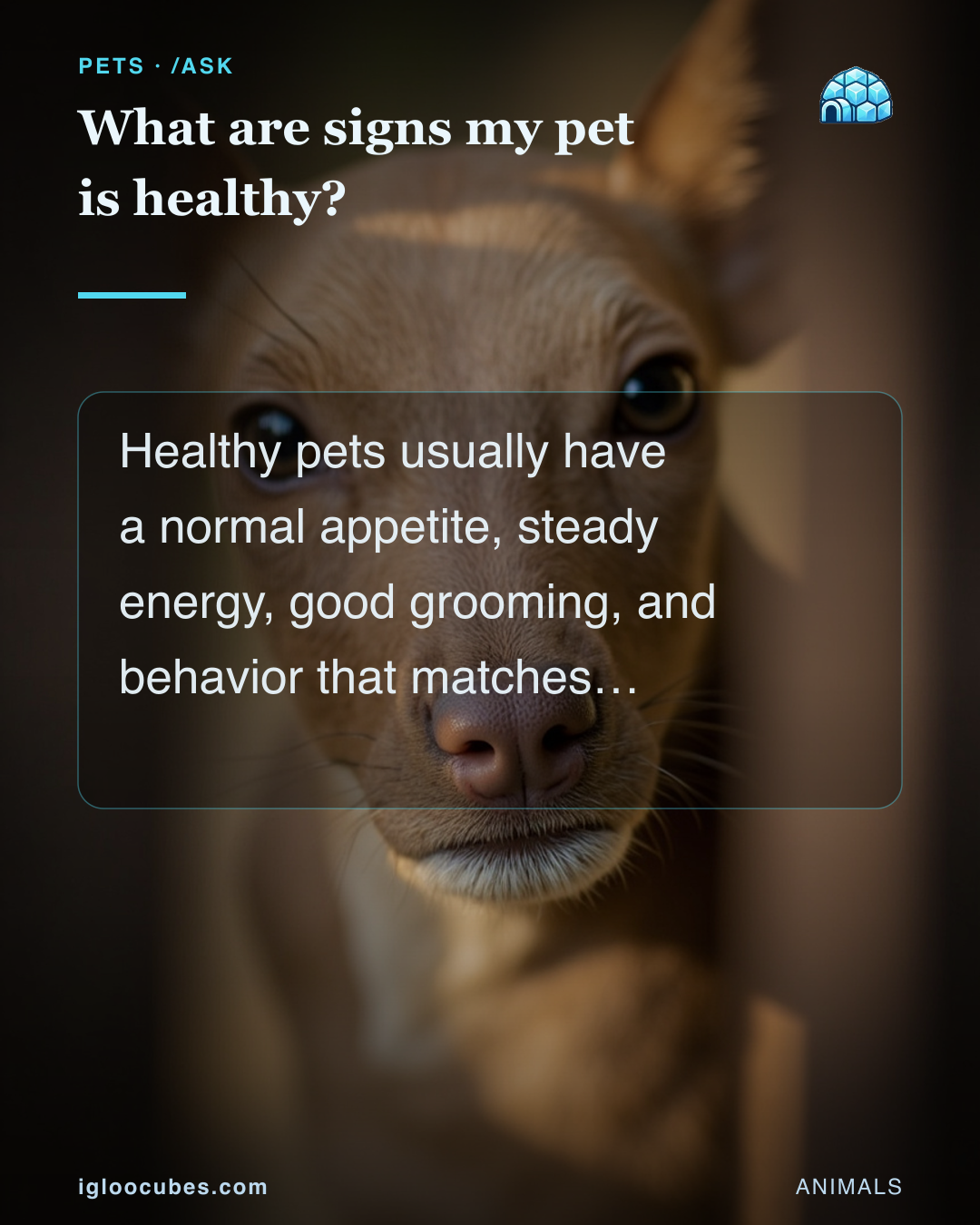
Healthy pets usually eat, drink, toilet, move, and sleep in a way that is normal for them. AVMA’s pet-care guidance leans on the basics: steady appetite, normal energy, a good coat, healthy weight, and behavior that does not suddenly change.
Body condition matters too. A healthy pet is not automatically skinny or sleek; the better check is whether you can feel the ribs without seeing them sharply and whether the pet moves comfortably. The AVMA healthy-weight guide treats weight as a real health signal, not just a cosmetic one.
Look at the mouth, coat, eyes, ears, and litter box or bathroom habits as a pattern, not a single moment. If the pet is bright, hydrated, moving normally, and acting like itself most days, that is the reassuring answer people are usually looking for.
More in Pets
Do I need pet insurance?
Pet insurance makes sense if an unexpected vet bill would strain your budget, especially while your pet is still healthy.
🐾 Pets 5 weeks ago 2 min readDo indoor cats need flea prevention?
Often, yes. Indoor cats can still pick up fleas from dogs, people, other animals, or a contaminated home.
🐾 Pets 4 weeks ago 2 min readHow can I tell if my cat is depressed?
A depressed or stressed cat may hide, eat less, sleep more, groom less, or stop playing, but medical causes can look the same.
🐾 Pets 3 weeks ago 3 min read