
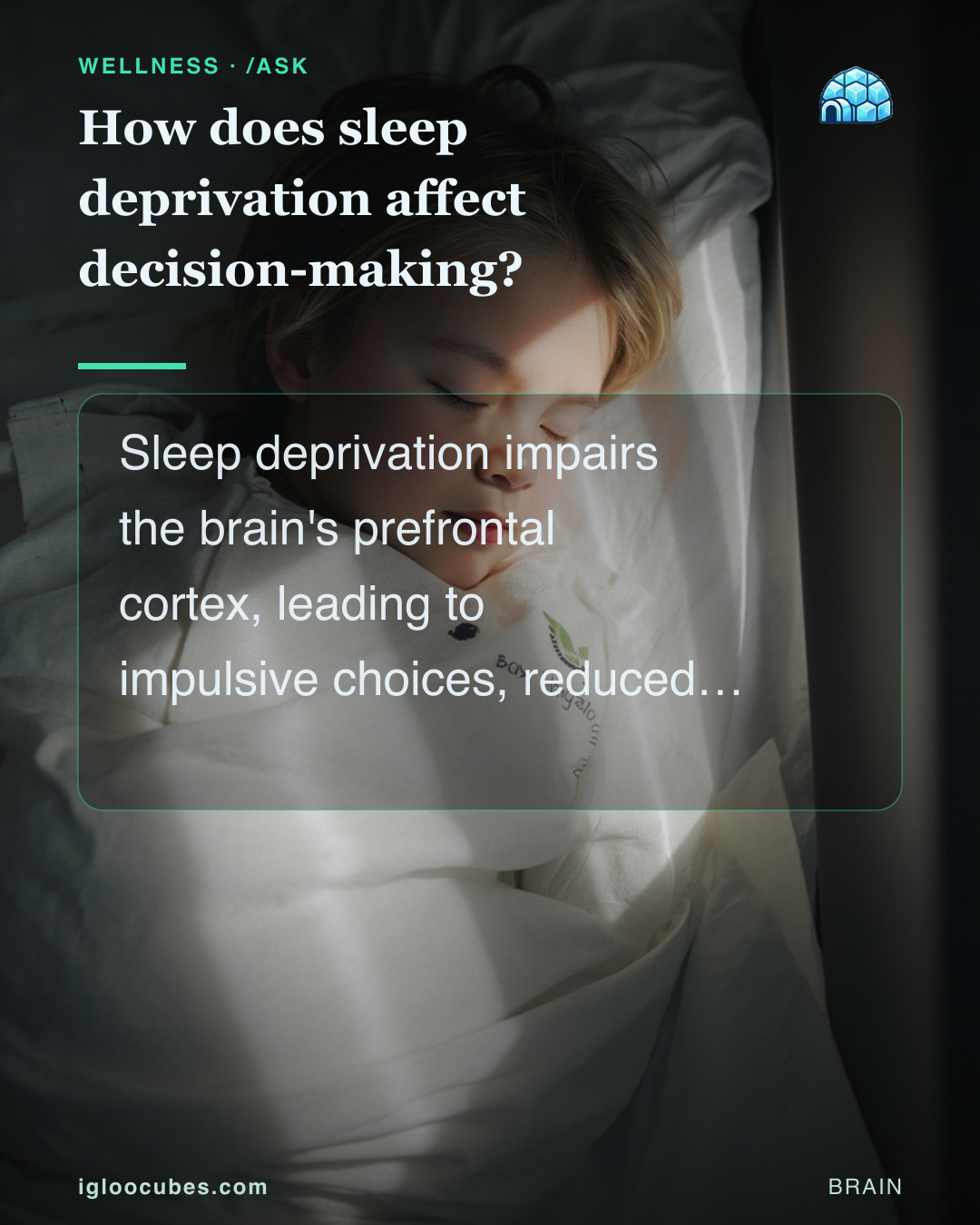
Sleep deprivation changes how the brain evaluates risk and processes information. When you are short on sleep, the prefrontal cortex, which is the region responsible for logical thinking, impulse control, and long-term planning, experiences a significant drop in activity. At the same time, the emotional centers of the brain, particularly the amygdala, remain highly active or even hyper-reactive. This imbalance alters your cognitive default state, making you more prone to short-sighted choices.
One major consequence of this neurological shift is a heightened focus on positive outcomes and a disregard for potential consequences. A tired brain tends to overvalue immediate rewards while failing to register the likelihood of negative results. This bias explains why sleep-deprived individuals often take unnecessary financial, physical, or operational risks that they would normally avoid when fully rested.
Additionally, sleep loss slows down your processing speed and limits your working memory. Your brain struggles to integrate multiple pieces of conflicting data, making it difficult to solve complex problems. Instead of carefully weighing options, a sleep-deprived person often relies on habitual behaviors, cognitive shortcuts, or passive compliance to make choices quickly.
The best defense against sleep-induced poor choices is simple: delay major decisions when you are tired. If you cannot sleep immediately, ask a trusted peer to review your work or establish a rule that halts critical agreements until after you have had a night of rest. Your brain needs recovery time to function reliably.
Sources
More in Wellness
Are naps good or bad for you?
Short naps (20–30 minutes) reliably boost alertness without hurting nighttime sleep. Long or late naps — past 3 p.m. or over an hour — make it harder to fall asleep at night and leave you groggier.
🧘 Wellness 5 weeks ago 3 min readWhat are the benefits of daily meditation?
The largest meta-analysis to date found moderate evidence that meditation programs reduce anxiety, depression, and pain-related distress — with modest effect sizes and a clear dose-response to daily practice.
🧘 Wellness 8 weeks ago 2 min readCan most people actually handle polyamory?
Some people can, and a meaningful minority already are — but the structure only works with explicit consent, communication, and a willingness to do maintenance work most people underestimate.
🧘 Wellness 1 week ago 3 min read